REVS Check Australia - The 2012 Name for a PPSR Check
REVS was replaced by the national PPSR in 2012, but people still search for it. Here's what it meant, what a PPSR check covers today, and the VIN history step that adds an imported car's overseas past.
47+ countries of records
60 seconds to full report
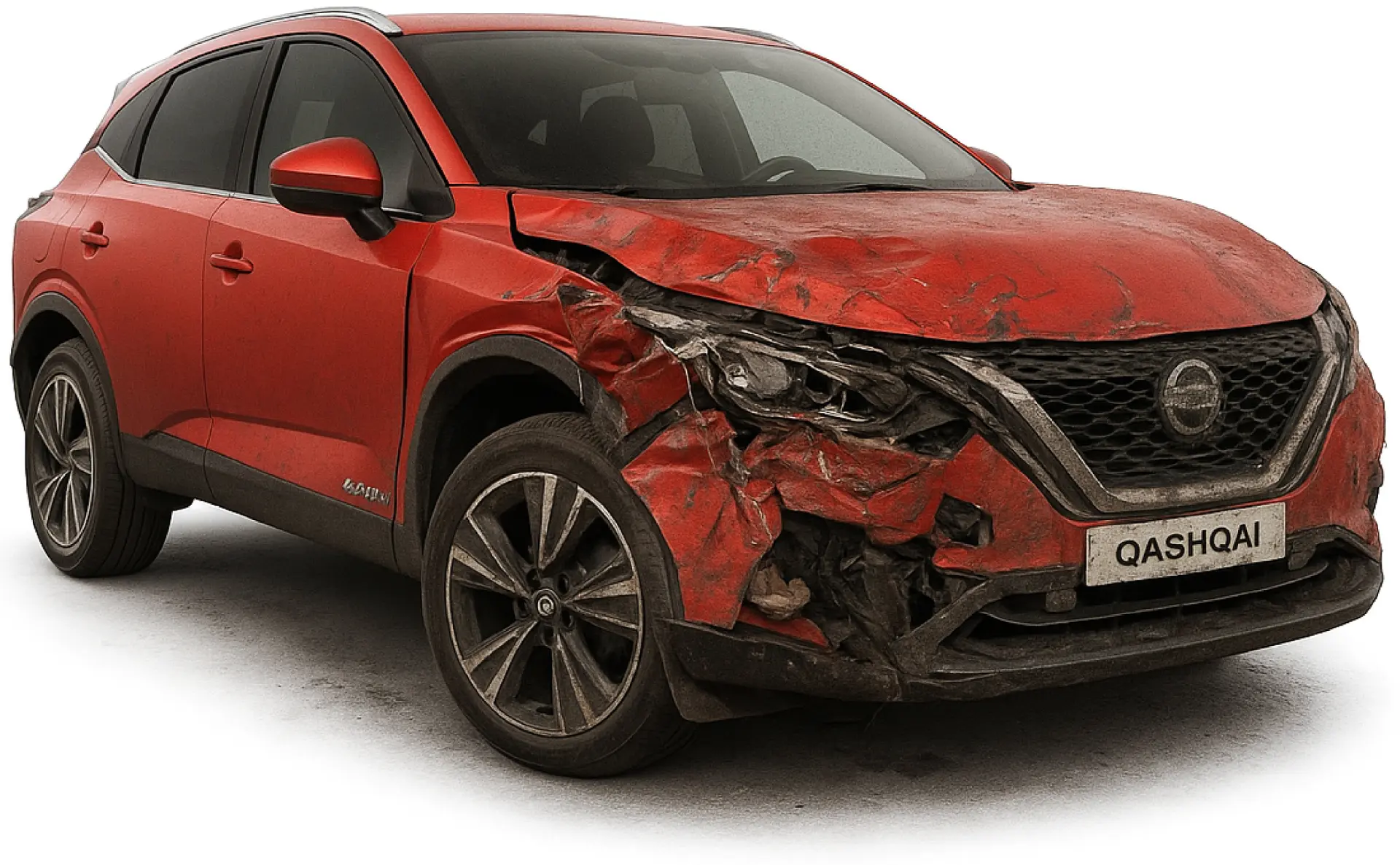
REVS, the Register of Encumbered Vehicles, was a NSW register that showed whether a car had finance owing. In 2012 it was folded into the national Personal Property Securities Register (PPSR), so a 'REVS check' today means a PPSR check: finance owing, stolen and written-off status, nationwide. Do it: it costs only a couple of dollars. For an imported car, add a Carlytics VIN check: it decodes the exact build, checks open recalls and theft, and (where independent overseas records exist, as they do for UK and European imports) cross-references the overseas mileage. For a Japanese import there is often no accessible pre-export odometer record, so also verify the import auction sheet. Reports A$14.90, one-time.
What this check is: and isn't. The official search you want today is the PPSR check: it replaced REVS in 2012 and confirms finance owing, stolen and written-off status nationwide for a couple of dollars. Carlytics does not replace it. Carlytics is a separate, VIN-based check for what the PPSR can't see on an imported car: the exact decoded build, open safety recalls, an international stolen-vehicle check, and, where independent overseas records exist (strong for UK and European imports), a mileage cross-reference with rollback detection. For a Japanese import there is often no accessible pre-export odometer record, so verify the import auction sheet; we do not hold Japanese auction data. We require the 17-character VIN: we are not a rego or number-plate lookup.
What REVS Was - And Why the Name Stuck
REVS stood for the Register of Encumbered Vehicles: a NSW-run database that told a buyer whether a car had money owing on it, so you didn't inherit someone else's finance along with the keys. It did its job well enough that a generation of Australians learned the phrase “get a REVS check.” The name outlived the register, which is why the search volume is still there today, even though the service itself changed more than a decade ago.
2012: REVS Became the National PPSR
In 2012 the state-based registers, REVS among them, were consolidated into the national Personal Property Securities Register. The upgrade mattered: REVS only covered NSW-registered vehicles, so a car with finance registered interstate could slip through. The PPSR removed those borders. One search now confirms security interests registered anywhere in Australia, plus stolen and written-off status. If you were about to run a REVS check, run the PPSR check: it is the same idea, done nationally.
What Neither REVS Nor PPSR Ever Covered
Both the old REVS and today's PPSR only see a car's Australian records, which start when it is registered here. For an imported car, that leaves a blind spot: a used Japanese import, or one from the UK, Europe or the US, lived its early life overseas, and its odometer readings, accident repairs and auction damage from that period were never in the Australian registers. A clean PPSR result on an import means clean in Australia, not clean since new. That overseas history is where a VIN check earns its place.
PPSR Plus VIN: The Modern Two-Step
The buyer's playbook in 2026: run the official PPSR check to clear finance, stolen and written-off status; then run a Carlytics VIN history, the exact make/model/engine decode, open safety recalls, an international stolen-vehicle check, and, where independent overseas records exist (as they do for UK and European imports), a mileage cross-reference with rollback detection. For a Japanese import there is often no accessible pre-export odometer record, so also request the auction sheet. It's A$14.90, one-time, and it fills the one gap the register you searched for by its old name was never built to cover.
What we check for when preparing a report
Carlytics is the largest online database of used vehicle records. It contains more than a billion data points from all over the world.
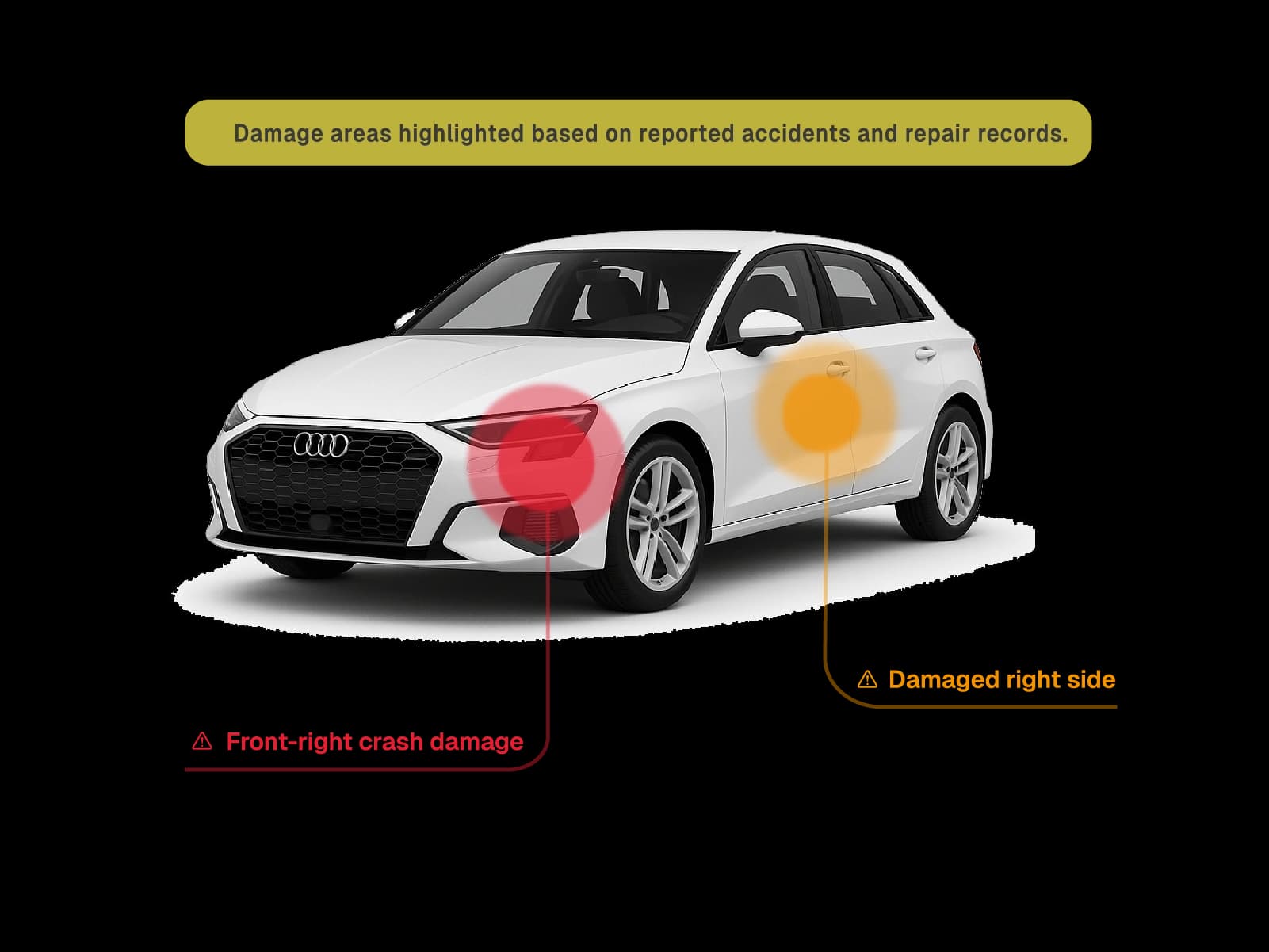
Damage
The report includes accident and damage records where available for the VIN. No record found is not proof the car was never damaged. Damage can lower the car's value and cause safety problems. Our report helps you avoid cars with hidden damage that sellers might not tell you about.
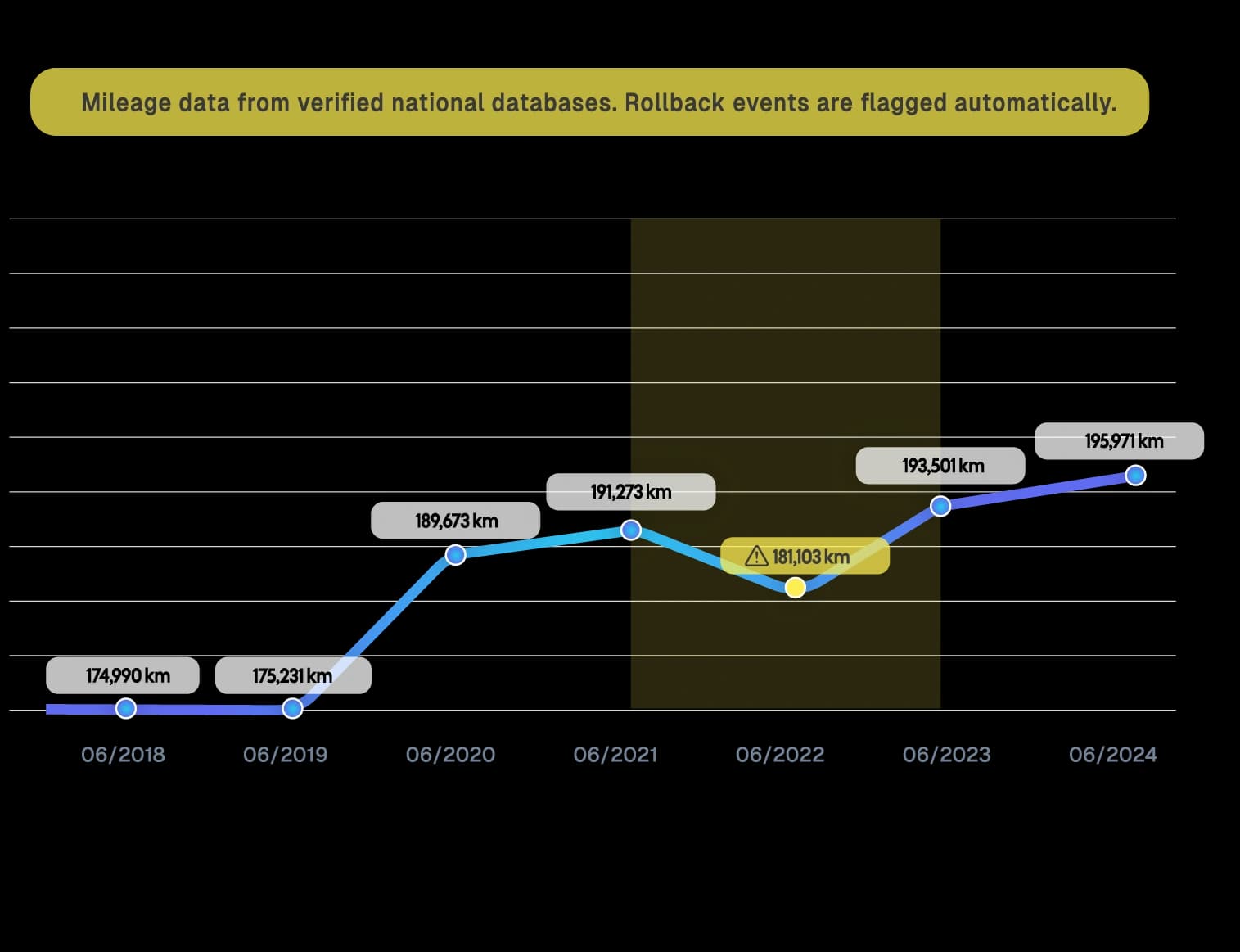
Mileage rollbacks
We look for signs that the mileage might have been changed. Some sellers lower the mileage to make the car look newer. We check mileage records from different databases to make sure the numbers are honest.
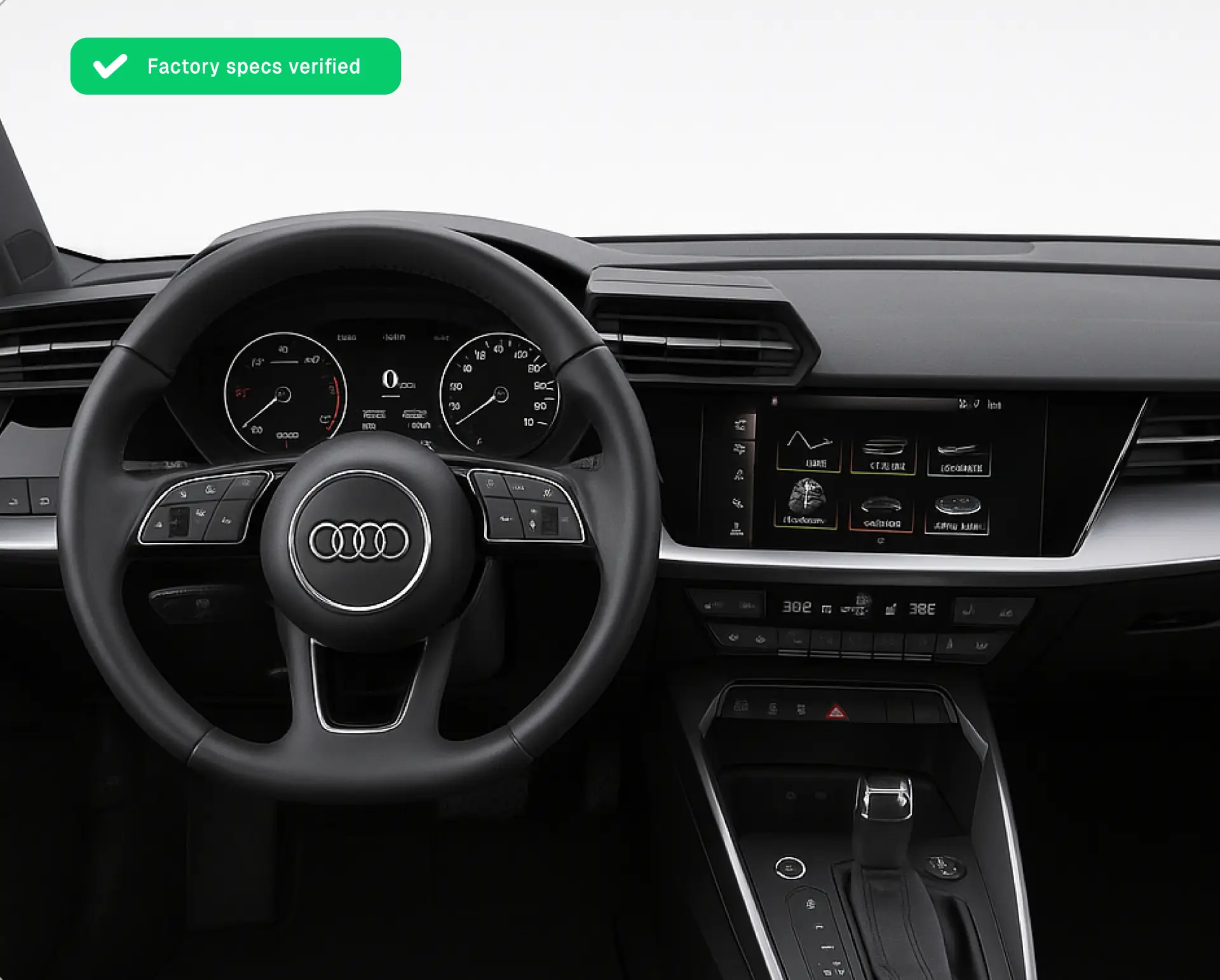
Specs & equipment
We list the car's original features and equipment. This helps you see if anything is missing or changed. You'll know exactly what the car should have when it left the factory.
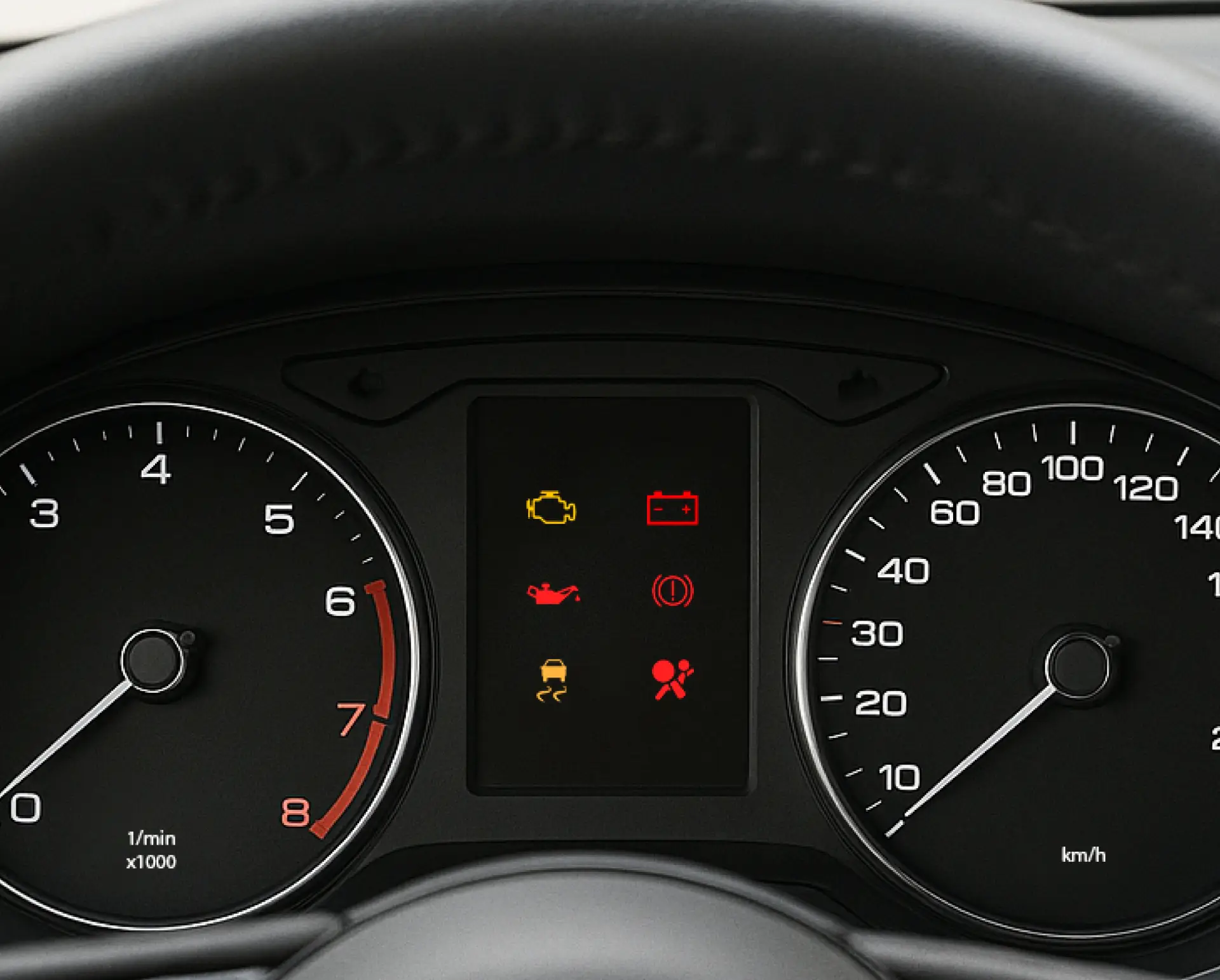
Safety
Manufacturers typically issue safety recalls to fix harmful defects. Make sure your car doesn't have any before taking it on the road and also learn its general safety rating.
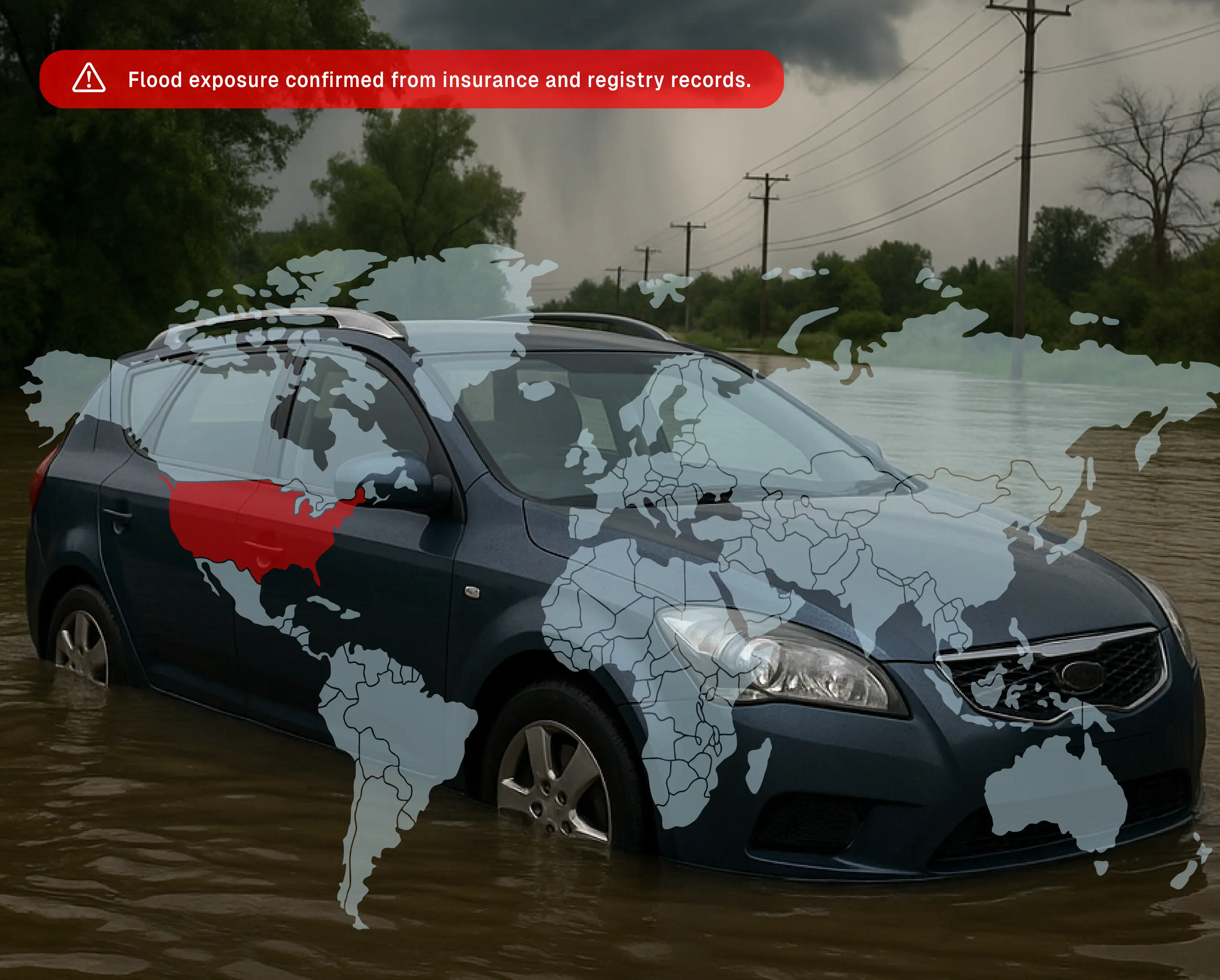
Natural disaster
Check if the vehicle has been damaged in floods, hurricanes, or other natural disasters.
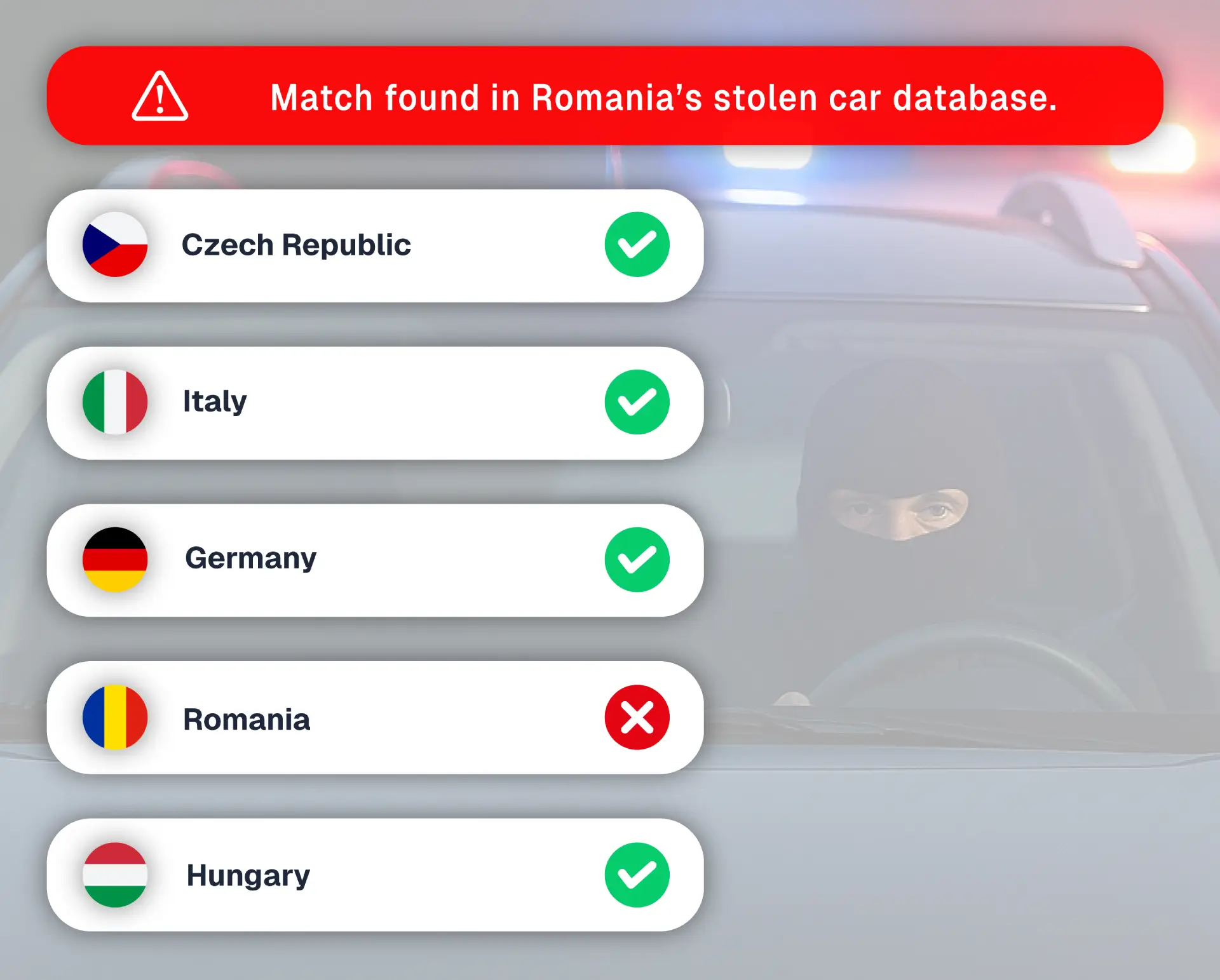
Stolen car database
We check police and insurance records to see if the car has been reported stolen. Buying a stolen car can lead to big legal and financial problems. Our report gives you peace of mind.
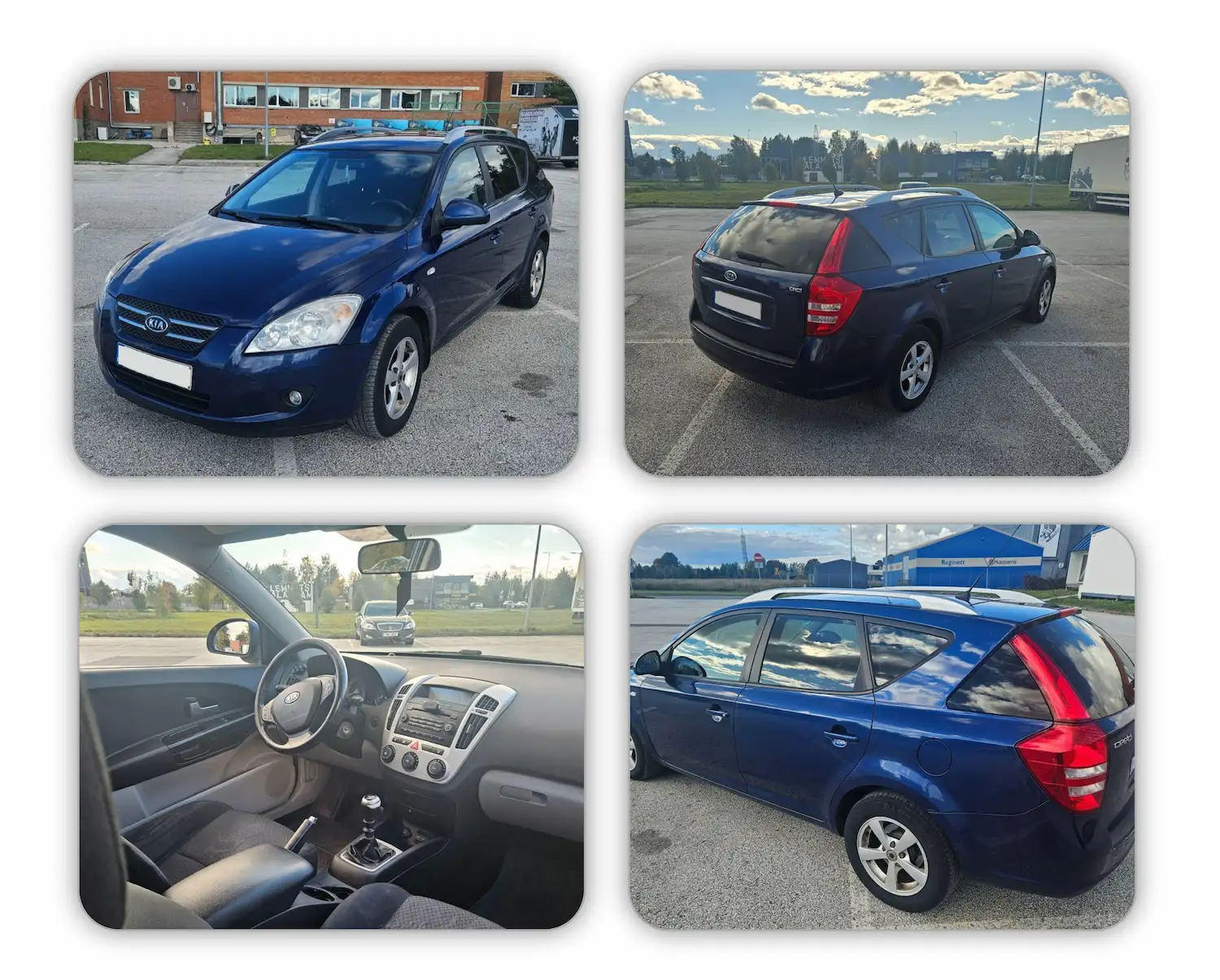
Photos
If available, we include old photos or auction pictures of the car. These photos can show past damage, repairs, or changes that you might not notice in person.
Market value
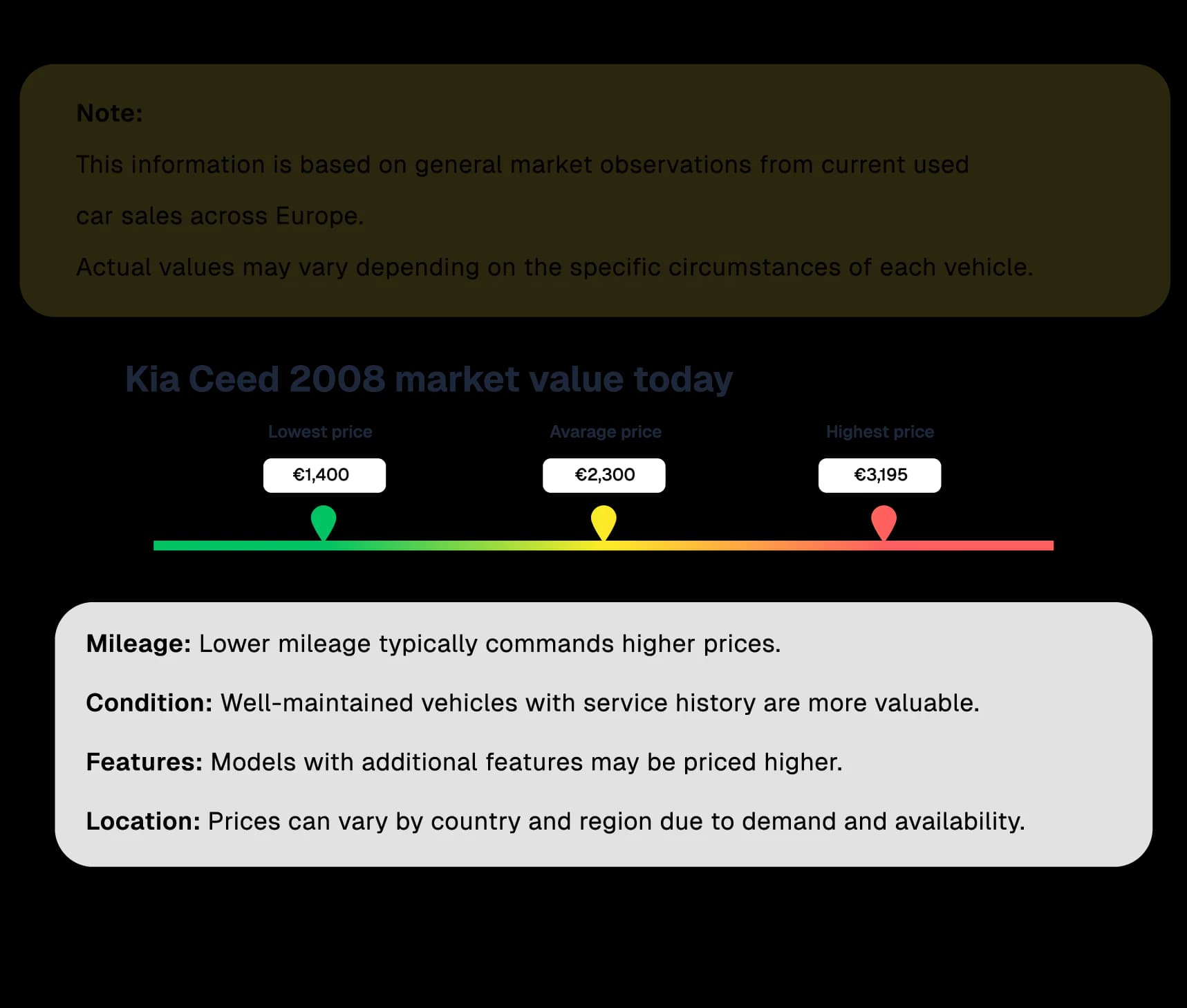
We compare prices from many sources to show the car's fair market value. This helps you know if the price is good or too high, so you can make a smart deal.
Trusted in 47+ countries worldwide
Carlytics aggregates vehicle data from 47+ European countries, pulling from national registries like Finnish Traficom (5M vehicles), Dutch RDW, Czech ISTP, and Danish DMR. Combined with NHTSA and EU Safety Gate recalls, the database covers 900M+ vehicles.
Access data from national registries,
insurance databases, law enforcement and more.

Why Run a VIN Check Before Buying a Used Car?
A 2018 European Parliament resolution puts tampered mileage at an estimated 30-50% of cross-border used-car sales. Carlytics catches odometer rollbacks, undisclosed accident damage, stolen-vehicle flags, and open safety recalls by scanning 900M+ records across 47+ countries -- all from a single 17-character VIN, starting free.
Don't risk thousands on a used car with hidden problems. A free VIN check takes seconds and can save you from costly surprises.
Detect Odometer Fraud
According to a 2018 European Parliament resolution, an estimated 5–12% of domestic and 30–50% of cross-border used-car sales involve tampered mileage. A VIN history check reveals odometer rollback and mileage discrepancies that sellers try to hide.
Uncover Hidden Accident Damage
Structural damage from past accidents may not be visible during a physical inspection. A vehicle history report shows collision records the seller may not disclose.
Verify Stolen Vehicle Status
Over 600,000 vehicles are stolen in the EU each year, many resold across borders. Our stolen car database check confirms the vehicle is legally clear before you buy.
Check Cross-Border Import History
Vehicles imported from abroad may have different specs, undisclosed damage, or missing service records. Trace the full registration and import history with a VIN check.
Ready to check your vehicle?
Enter the VIN number below to get a free instant report.