Cross-border car buying carries real risks.
30–50% of cross-border used cars in Europe have had their odometers tampered with. Documentation issues, outstanding finance, and undisclosed damage are all more common when a vehicle has crossed multiple borders. Here is what to watch for.
40+ European countries covered
EUR 8.90 full cross-border check
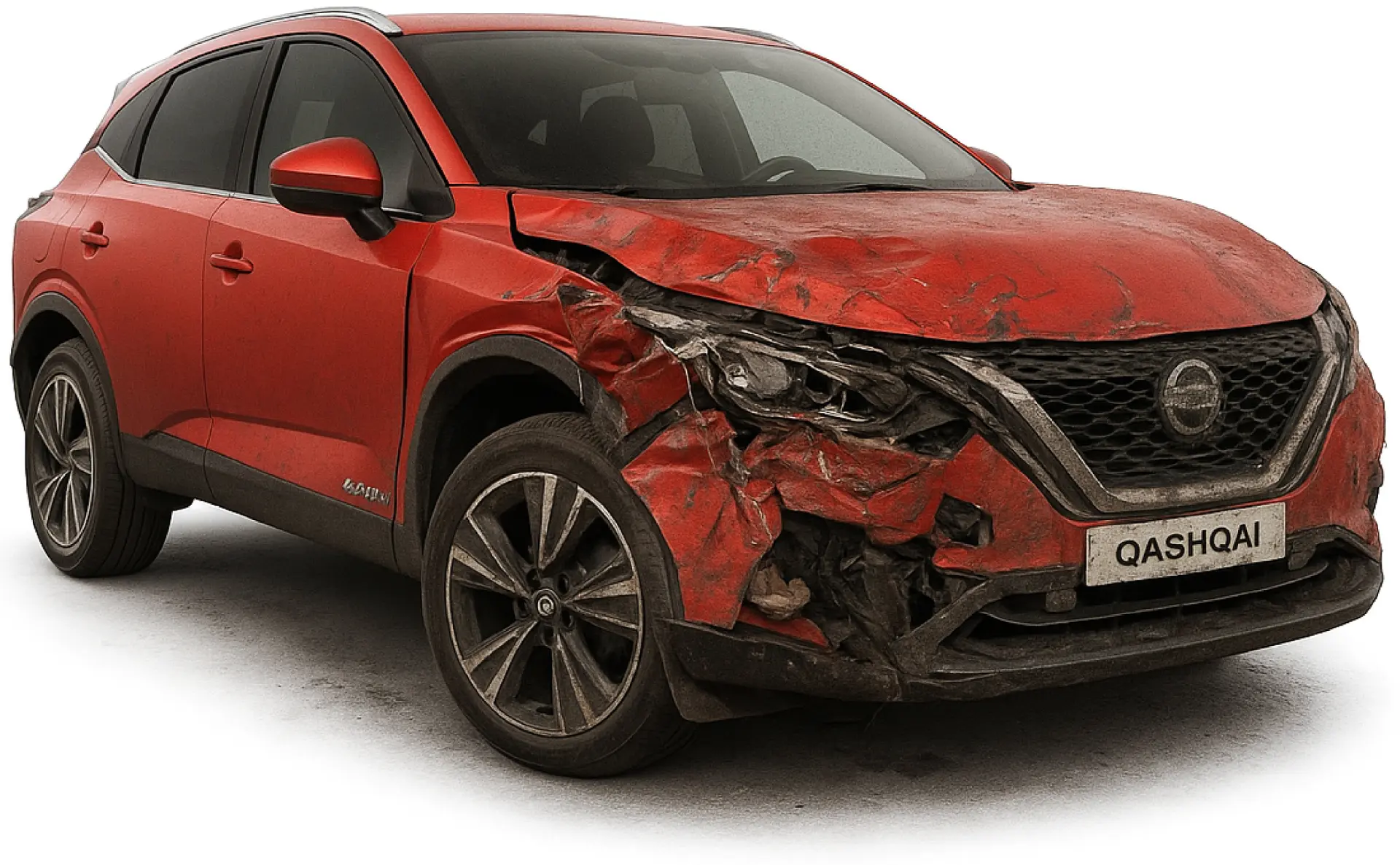
Carlytics was built specifically for cross-border used car purchases. Each VIN check cross-references 900M+ records from 40+ European registries to detect the fraud patterns most common in cross-border transactions.
The Four Major Cross-Border Risks
Each of these risks is more prevalent in cross-border transactions than in domestic purchases. Knowing them is the first step to avoiding them.
Odometer fraud
The most widespread fraud in European cross-border car sales. Estimates from the European Commission and automotive consumer organisations consistently put the rate at 30–50% of cross-border vehicles. The most common pattern: a high-mileage car is purchased cheaply in one country, the odometer is wound back, and it is re-listed at a price reflecting the false lower mileage.
VIN check mitigation: mileage cross-referenced against inspection records from multiple countries simultaneously.
Documentation gaps
Every border crossing is a point where documentation can be lost, replaced, or falsified. Service books from the original country may not travel with the car. Registration certificates may be duplicates. A car with five previous owners across four countries may present with a suspiciously clean single-page history.
VIN check mitigation: ownership and registration history across all countries where the vehicle was recorded.
Outstanding finance
In many European countries, a loan secured against a vehicle creates a legal charge that travels with the car regardless of ownership changes. A buyer who purchases a car with outstanding finance may find the lender repossessing it — even after paying the seller in full. Cross-border sellers may use jurisdictional complexity to obscure this.
VIN check mitigation: finance hold flags where registry data is available.
Voided warranties and recalls
Manufacturer warranties are often country-specific. A car re-registered in a new country may have lost its remaining warranty coverage. Additionally, recall completion in one country does not guarantee the work was done to the standard required in another. Open recalls are common on cross-border imports that passed through multiple jurisdictions quickly.
VIN check mitigation: full recall status from NHTSA and EU Safety Gate databases.
Country-Specific Risk Levels
Risk levels are based on reported fraud rates, registry data quality, and the volume of cross-border vehicle movements.
| Country of origin | Odometer fraud risk | Registry data quality | Notes |
|---|---|---|---|
| Germany | Medium | High | TÜV records are reliable; mileage tampering typically happens after export |
| Netherlands | Low–Medium | Very high | RDW database is excellent; strong consumer protections |
| United Kingdom | Low | Very high | DVSA MOT records are world-class for mileage verification |
| Czech Republic | Medium | High | 52M inspection records available; frequently reveals import fraud |
| Romania / Bulgaria | High | Low–Medium | High volume of reexported vehicles; odometer tampering common |
| Poland | Medium–High | Medium | Large market for Western imports; mixed quality control |
| Lithuania / Latvia | High | Low | Transit hub for Eastern European imports; fraud risk elevated |
| France / Italy | Low–Medium | Medium | Domestic fraud rates comparable to Germany; check cross-border history |
Risk levels are indicative estimates based on available fraud statistics and registry data coverage as of 2025. Individual vehicles vary.
What we check for when preparing a report
Carlytics is the largest online database of used vehicle records. It contains more than a billion data points from all over the world.
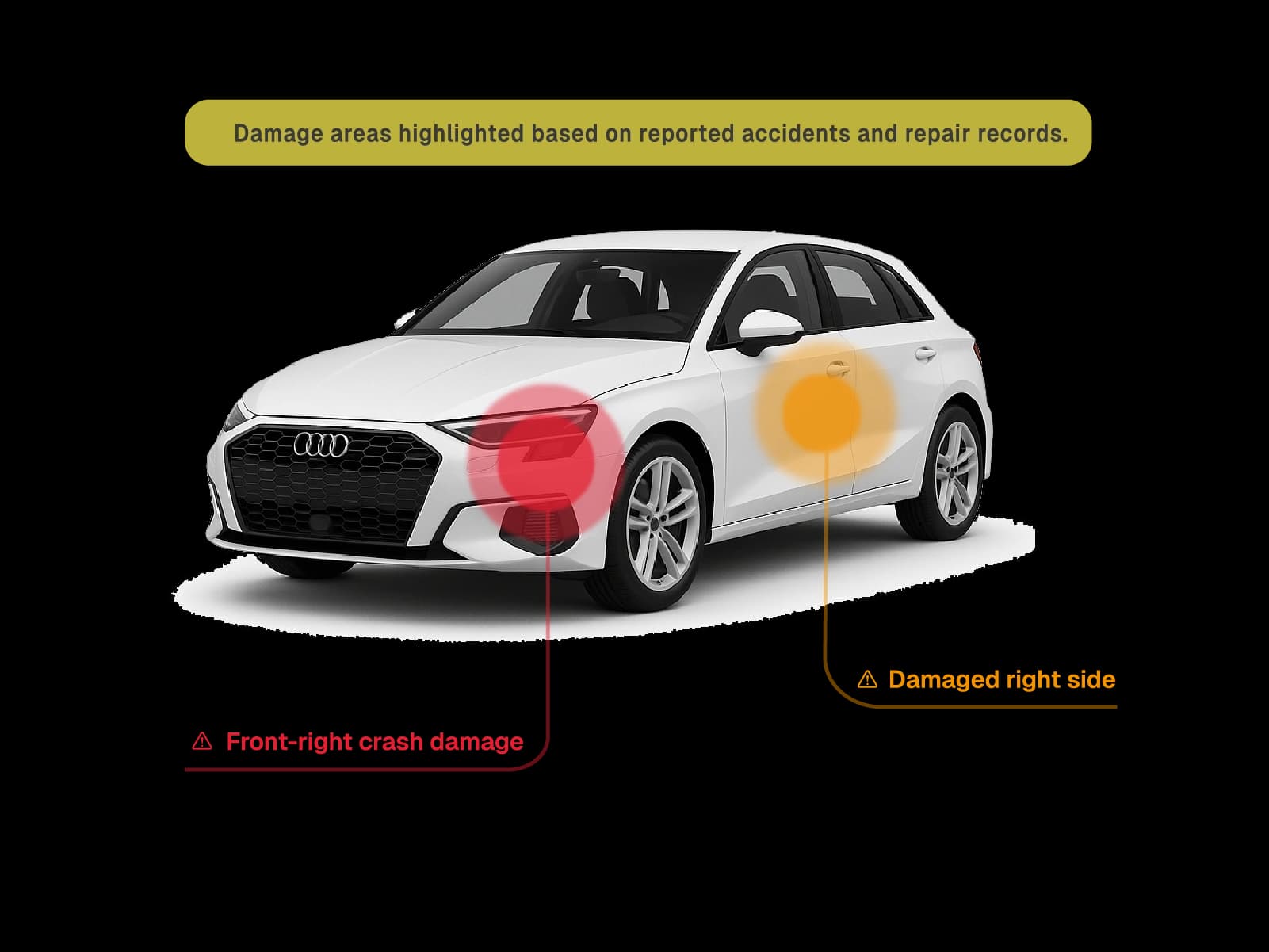
Damage
We check if the car has been in any accidents or had serious repairs. Damage can lower the car's value and cause safety problems. Our report helps you avoid cars with hidden damage that sellers might not tell you about.
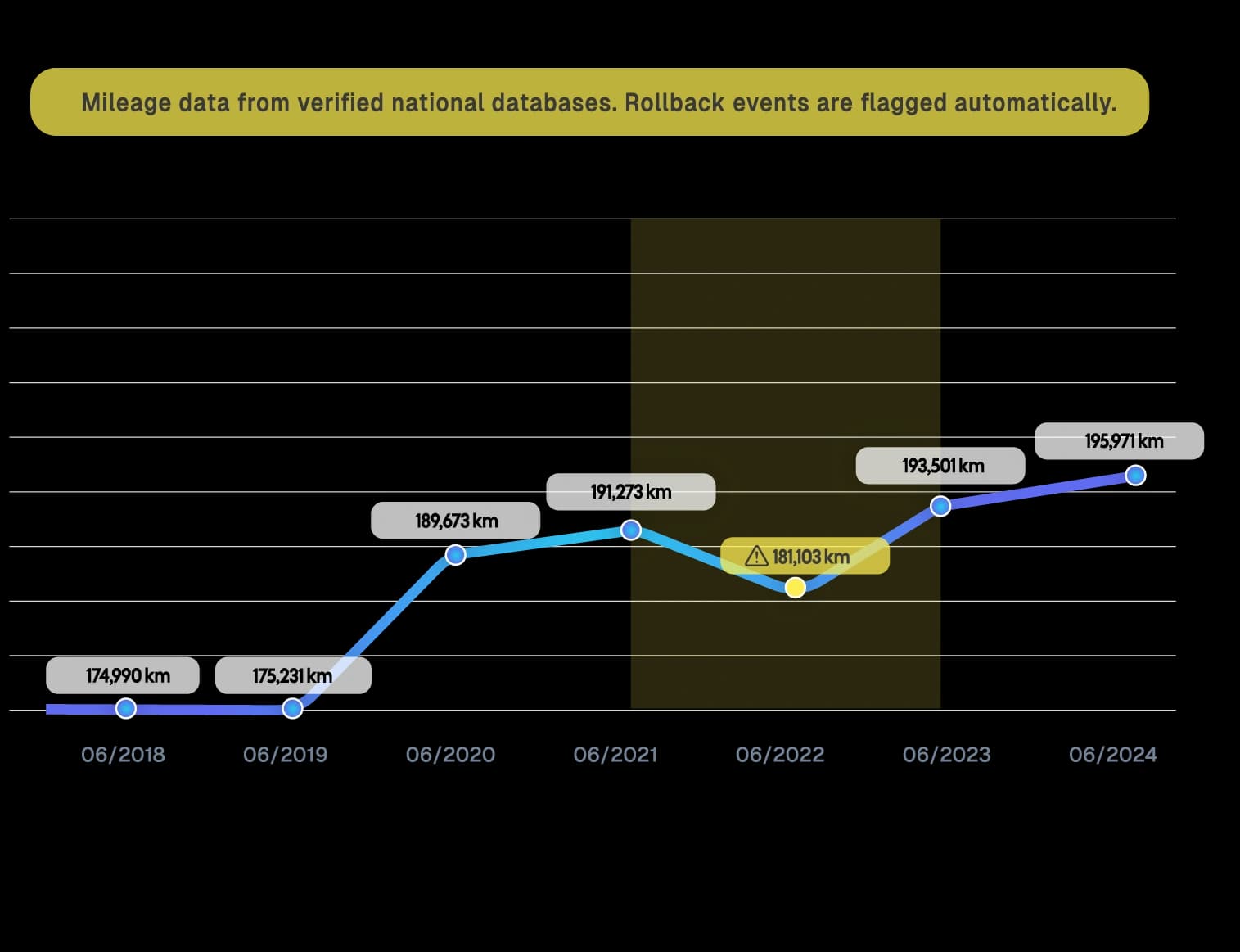
Mileage rollbacks
We look for signs that the mileage might have been changed. Some sellers lower the mileage to make the car look newer. We check mileage records from different databases to make sure the numbers are honest.
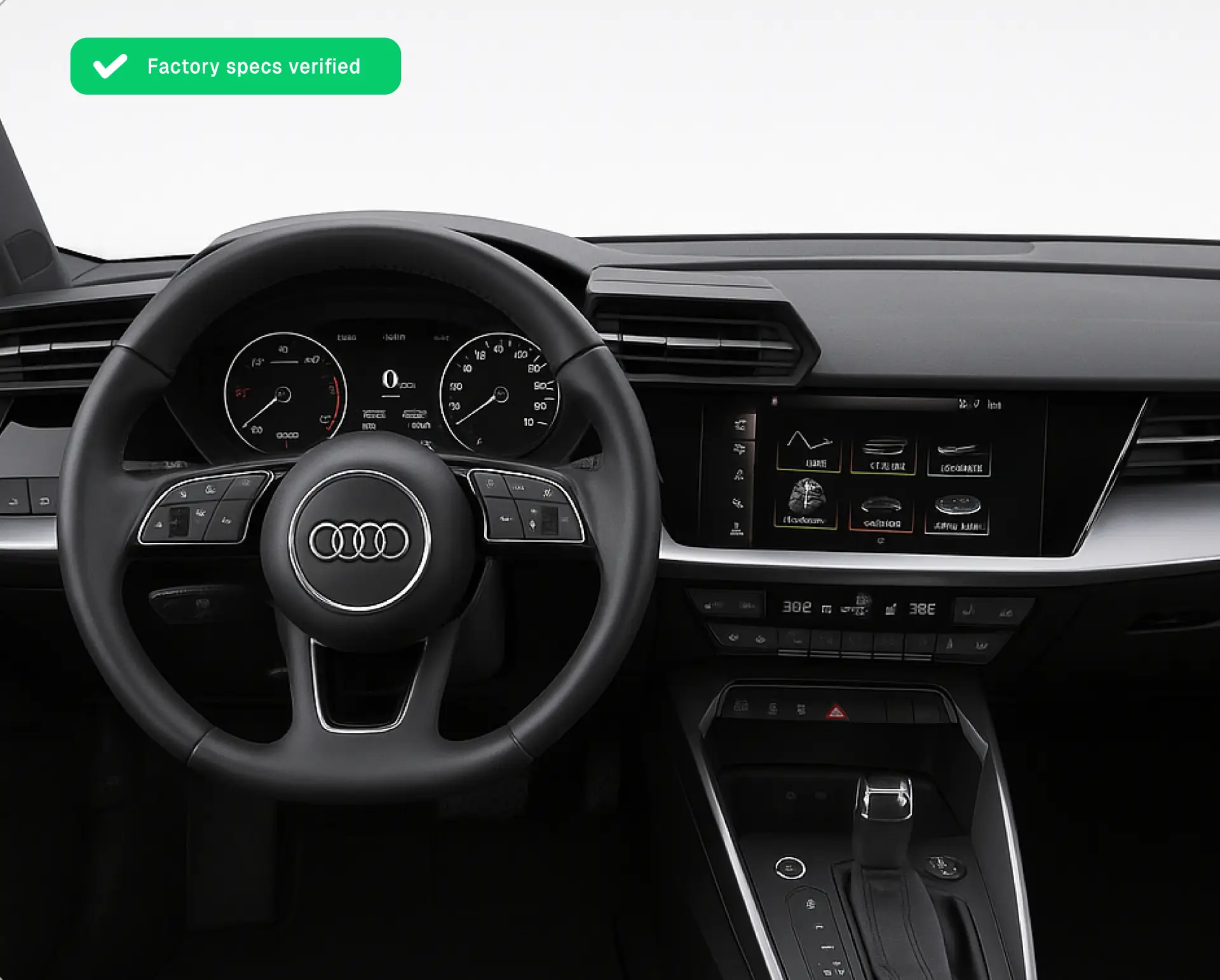
Specs & equipment
We list the car's original features and equipment. This helps you see if anything is missing or changed. You'll know exactly what the car should have when it left the factory.
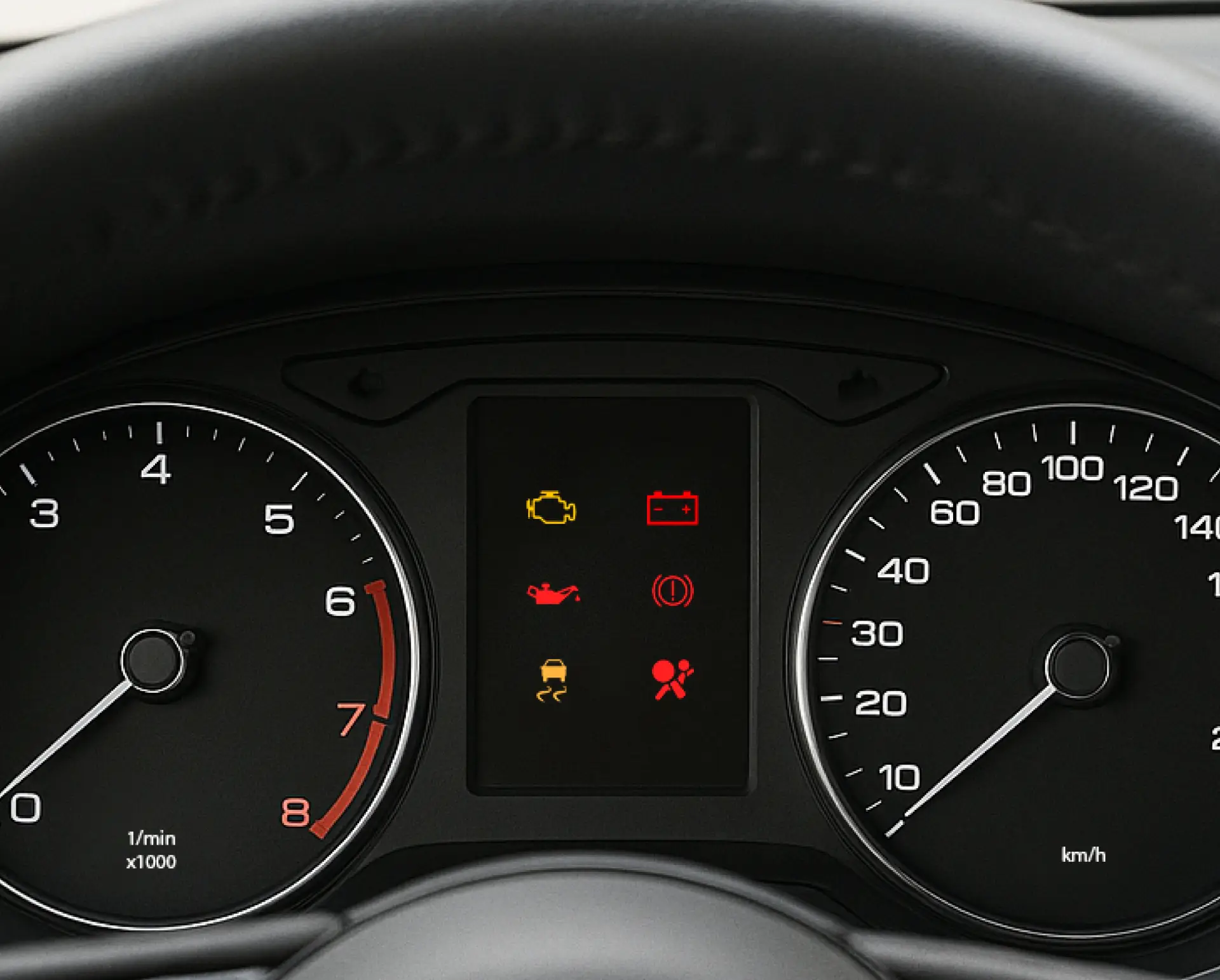
Safety
Manufacturers typically issue safety recalls to fix harmful defects. Make sure your car doesn't have any before taking it on the road and also learn its general safety rating.
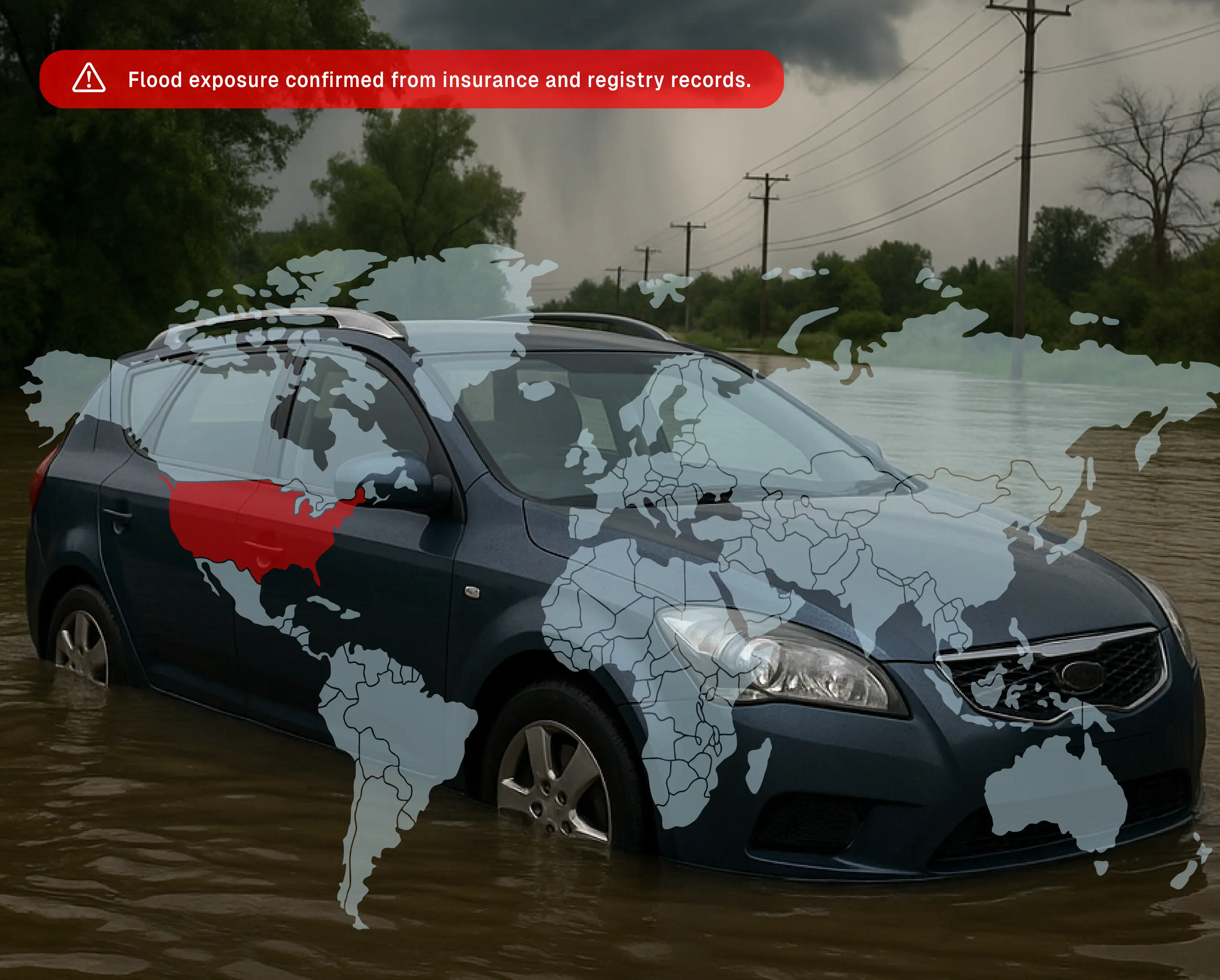
Natural disaster
Check if the vehicle has been damaged in floods, hurricanes, or other natural disasters.
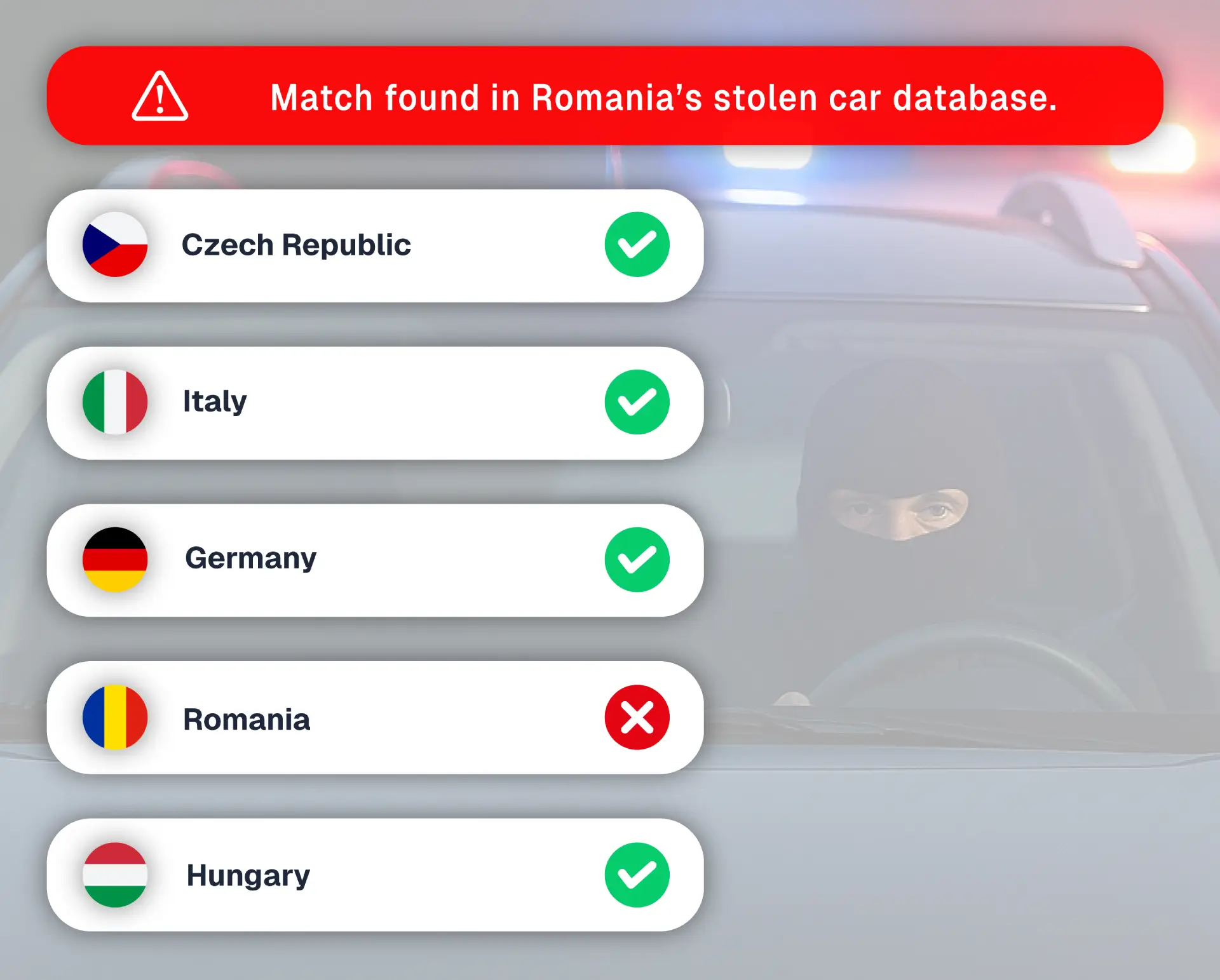
Stolen car database
We check police and insurance records to see if the car has been reported stolen. Buying a stolen car can lead to big legal and financial problems. Our report gives you peace of mind.
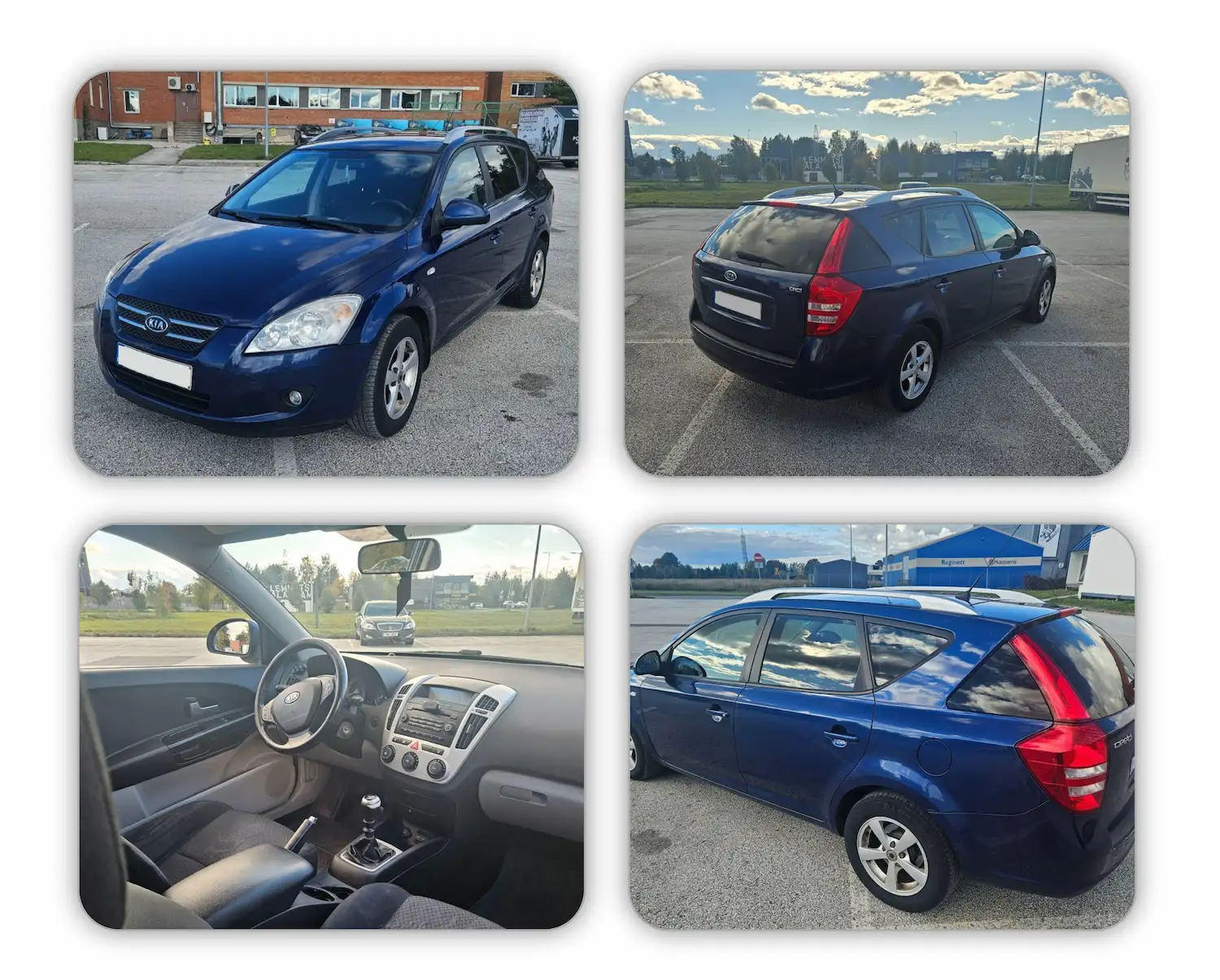
Photos
If available, we include old photos or auction pictures of the car. <br />These photos can show past damage, repairs, or changes that you might not notice in person.
Market value
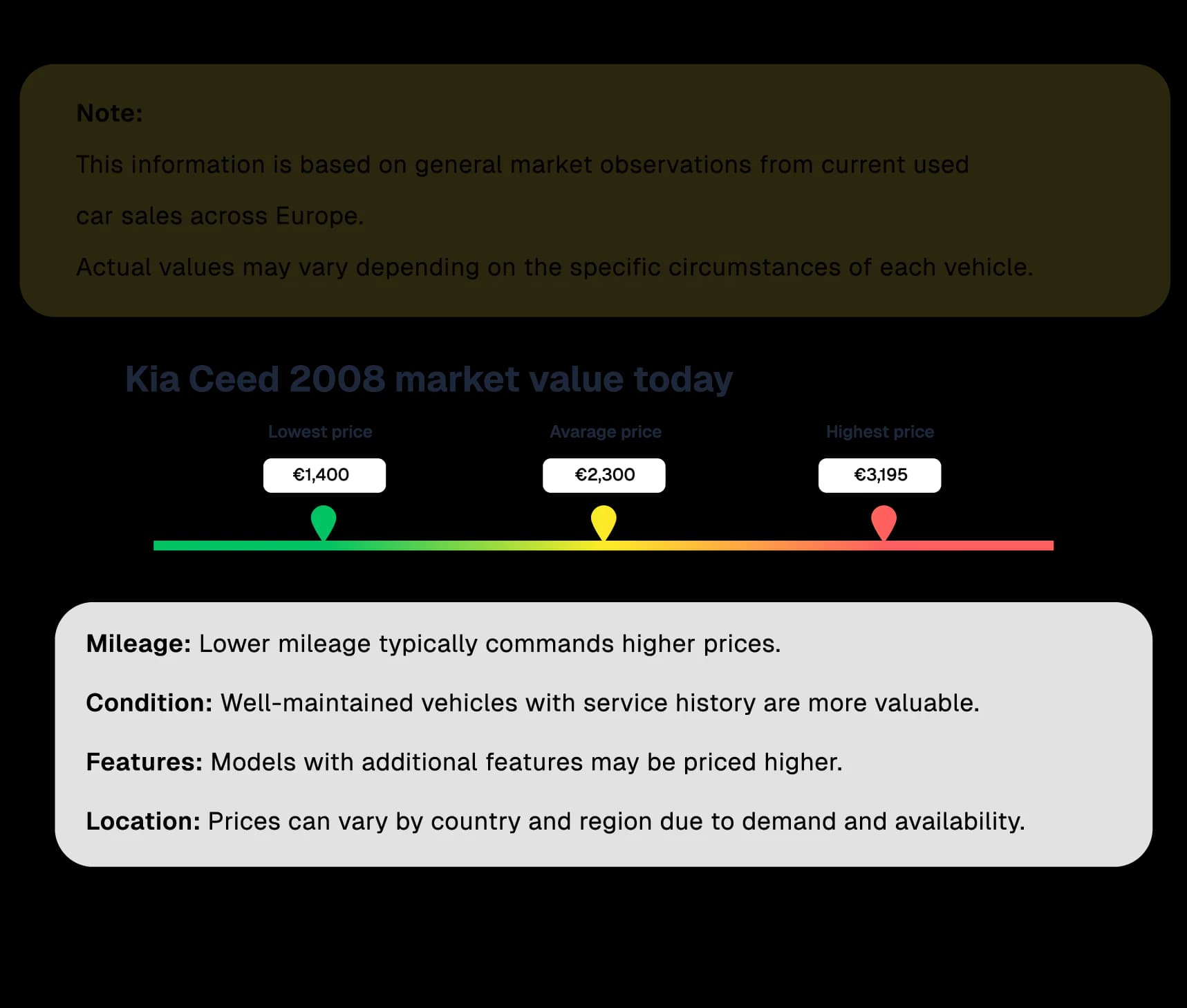
We compare prices from many sources to show the car's fair market value.<br />This helps you know if the price is good or too high, so you can make a smart deal.
Trusted in 30+ countries worldwide
Carlytics aggregates vehicle data from 35+ European countries, pulling from national registries like Finnish Traficom (5M vehicles), Dutch RDW, Czech ISTP, and Danish DMR. Combined with NHTSA, EU Safety Gate recalls, and 348,000+ real listings, the database covers 900M+ vehicles.
Access data from national registries,
insurance databases, law enforcement and more.

Why Run a VIN Check Before Buying a Used Car?
An estimated 30-50% of used cars sold cross-border in Europe have tampered mileage. Carlytics catches odometer rollbacks, undisclosed accident damage, stolen-vehicle flags, and open safety recalls by scanning 900M+ records across 35+ countries -- all from a single 17-character VIN, starting free.
Don't risk thousands on a used car with hidden problems. A free VIN check takes seconds and can save you from costly surprises.
Detect Odometer Fraud
An estimated 30-50% of used cars in Europe have tampered mileage. A VIN history check reveals odometer rollback and mileage discrepancies that sellers try to hide.
Uncover Hidden Accident Damage
Structural damage from past accidents may not be visible during a physical inspection. A vehicle history report shows collision records the seller may not disclose.
Verify Stolen Vehicle Status
Over 600,000 vehicles are stolen in the EU each year, many resold across borders. Our stolen car database check confirms the vehicle is legally clear before you buy.
Check Cross-Border Import History
Vehicles imported from abroad may have different specs, undisclosed damage, or missing service records. Trace the full registration and import history with a VIN check.
Ready to check your vehicle?
Enter the VIN number below to get a free instant report.